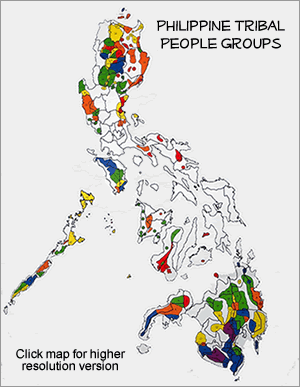
The Gaddang people of the Philippines are an indigenous ethnolinguistic group traditionally found in the Cagayan Valley region of northern Luzon, especially in Cagayan and Isabela provinces. Their identity is closely tied to the Gaddang language, which belongs to the Austronesian family and reflects centuries of settlement, farming culture, and adaptation to river valleys and foothill landscapes. Historically, the Gaddang were known for irrigated wet-rice agriculture, trade networks with neighboring groups, and vibrant village life structured around clan relationships and seasonal rhythms long before Spanish and later influences reached the region.
Gaddang daily life is rooted in extended family structures and community cooperation. Agriculture, especially irrigated rice cultivation supplemented by corn, root crops, and vegetable gardens, remains central to livelihoods. Fishing, weaving, and small-scale trade support household needs and local exchange. Villages are typically built near fertile plains and waterways that nourish rice fields, fields are tended collectively during planting and harvest seasons, and families share labor according to customary patterns.
Social life among the Gaddang includes communal gatherings, seasonal festivals, and cultural performances that preserve language, music, and oral traditions. Children learn Gaddang at home, while many families use Ilocano, Tagalog, or Filipino for schooling, markets, and broader regional interactions. Respect for elders, clan ties, and shared cultural values help maintain community cohesion.
Christianity is the predominant religious identity among the Gaddang, with most people participating in the life of local churches and congregations. Roman Catholic and various Protestant traditions have long been present, shaping worship, moral frameworks, and communal rhythms of life. Scripture engagement in heart languages and lingua franca languages supports personal devotion and congregational discipleship.
Traditional spiritual concepts, including reverence for ancestors and cultural practices tied to life events and agricultural cycles, continue to influence worldview and community expression for some, especially in rural areas where cultural heritage remains vivid. For many Gaddang believers, Christian faith and cultural heritage coexist, shaping values and interpretations of life's challenges and celebrations. Others have put all their faith in the only Savior, Jesus Christ.
Support for sustainable livelihoods, improved access to education and healthcare, and community development can also strengthen families and create environments where spiritual and practical well-being flourish together.
Although Christian affiliation is widespread, many Gaddang believers still need deeper biblical discipleship that connects Scripture with everyday life, family relationships, and community responsibilities in ways that resonate with local cultural identity. Pastors, teachers, and lay leaders can benefit from ongoing training, mentorship, and access to sound teaching resources that strengthen congregational leadership and nurture spiritual maturity.
Pray that Gaddang believers will grow in a deep love for scripture that guides daily living and community life.
Pray for pastors, teachers, and church leaders to be equipped with wisdom, compassion, and biblical insight.
Pray for unity, peace, and reconciliation among families, clans, and church networks.
Pray for youth and young adults to be rooted in faith and confident in their witness to others.
Pray that the Gaddang church will be empowered to share the gospel with neighboring peoples who have limited access to Scripture.
Scripture Prayers for the Gaddang, Cagayan in Philippines.
https://en.wikipedia.org/wiki/Gaddang_language
https://www.ethnologue.com/language/gadDavao Blaan in Philippines
| Profile Source: Joshua Project |